Hands, Hooves, and Heart: Experiential Learning That Lasts
The gelding in front of me, a dewy-eyed sorrel with a crescent of white on his forehead, is taking a breath like a bellows. Next to him, a teen called Eli is striving to be still. It is not going well. His feet touch a quick rhythm, his hands turn the end of a lead rope, his eyes skitter across the arena. I ask Eli what his breath is doing. He shrugs. The steed snorts and turns an ear toward him. We count together, four in, 4 out, and I reveal him how to expand his position so his knees stop locking. The steed softens initially. After that Eli's shoulders drop a fraction of an inch. The air modifications. We do not talk about calmness. We practice it. We feel it travel from a boy's ribcage to a steed's flank, and back again.
Hands, hooves, and heart, all in the very same discussion. That is the guarantee of learning with horses.
What understanding resembles when the field becomes the classroom
Experiential knowing with steeds is not about discovering to ride, although riding can be component of it. It has to do with straight interaction, clear responses, and abilities you can feel in your bones. The equine reads the entire of you, not just the tale you outline on your own. You try something, the steed responds, you change. There is no theoretical worksheet that can compete with a thousand-pound colleague who answers your demand in genuine time, with rate of interest or reluctance or a peaceful step forward.
Terms vary, and the field is richer for it. Restorative horsemanship often tends to concentrate on structure physical, emotional, and cognitive skills with structured horsemanship tasks. Equine-assisted services is a wider umbrella that can consist of mental health and wellness therapy, work-related or physical treatment, equine-assisted activities for leisure and growth, and mentoring or health work that is not scientific. When a facilitator discuss equine-facilitated mentoring or equine-facilitated health, they are normally describing individual or expert advancement along with a steed as opposed to treatment of a medical diagnosis. The usual string is this: we allowed the horse be a horse, and we allowed the connection do component of the teaching.
I have actually enjoyed a business team fighting with trust fund learn more in an early morning of team building with horses than they had in a quarter of slide decks. I have also watched a child on the autism range find that the softest touch makes a gigantic animal action, and for the very first time see that his body can be a precision instrument, not just a source of noise. The content modifications, the shape of the field modifications, the boots track their very own patterns in the dust. The reason it lands remains the same. It is lived.
Why horses are such excellent teachers
Horses are victim animals with finely tuned nerve systems. They survive by seeing the smallest changes, after that matching, staying clear of, or inviting as necessary. People can mask and justify for hours. Horses do not mask. They reply to harmony, to whether your within and outside agree. This can be troubling if you are https://rentry.co/vevbitx2 made use of to getting by on words. It can likewise be liberating.
From a nerve system point of view, horses use co-regulation. You step into the presence of a large, hip to creature whose heartbeat is slower than yours, whose breath cycles are longer, whose interest moves in a clear pattern from close to much and back again. If a program is set up with the horse's welfare and company front and facility, the animal's tranquil inquisitiveness comes to be a version. Customers find out to orient their eyes and body, to see their very own breath, to move from racing thoughts to really felt feeling. Somatic healing with horses does not indicate the horse is a therapist. It implies that the body, human and equine, belongs to the process. We develop capacity one experience at a time.
The physical size of a horse likewise matters. Requesting for movement and receiving it, or asking for room and having an equine respect it, converts strongly to interpersonal borders. You can not fake a border with a thousand extra pounds of point of view. You gain it with clearness, timing, and fairness. For teenagers finding out consent and assertiveness, or leaders exercising delegation, there are few mirrors as honest as a horse at the end of a lead.
A day in the arena, action by step
Programs vary, however a well-held session adheres to a rhythm that respects both students and herd. Here is a typical flow when I bring a newcomer into the work.
- Arrival and check-in. We orient to the space, testimonial safety, and speak about objectives in plain language. If stress and anxiety is high, we start by simply watching the herd from outside the fence.
- Consent and option. We see which steed is offered and interested. If an equine pins ears or walks away, we read that as details, not being rejected, and readjust. Clients discover that no is allowed, for steeds and for people.
- Groundwork. We start on the ground before riding, often for the entire session. Haltering, leading, grooming, and spatial workouts build connection and confidence.
- Reflection in motion. In between jobs, we pause to name what just took place. Not a lecture, an inquiry or more. What aided that work. Where did it obtain sticky. What altered in your body. The horse's behavior is our data.
- Transfer. We connect the felt experience to life beyond the arena. What variation of this turns up in your home conferences. Exactly how will certainly you exercise the ability this week.
You will certainly see a great deal of peaceful because flow. Silence is not a void. It is where nerves work out and learning sticks.
The various tracks and that they fit
Equine-assisted services live at the crossway of leisure, education, and health and wellness. The ideal track relies on your goals and context.
Therapeutic horsemanship is suitable if you want organized abilities that sustain equilibrium, coordination, focus, and self-confidence. A cyclist with moderate spastic paralysis could service core involvement and timing. A middle schooler who prevents eye contact might exercise offering 3 clear cues to a horse, then observe just how the pet's feedback changes with tone and pose. Procedure are generally regular, with objectives set in quarters or terms. The standards are concrete. Installing independently. Halting at a cone with loosened reins. Preserving a constant rhythm around the arena.
For psychological health and wellness therapy, seek programs where a licensed clinician companions with an equine expert. Anxiousness assistance with steeds can resemble interoception work, tolerating unpredictability, and exercising grounding skills under moderate anxiety. Assume leading a horse over a tarp, not carrying out techniques. Customers usually report far better sleep and fewer panic spikes after 4 to 8 sessions when they also practice abilities between sees. That range is honest, not wonderful. Without homework, gains drift.
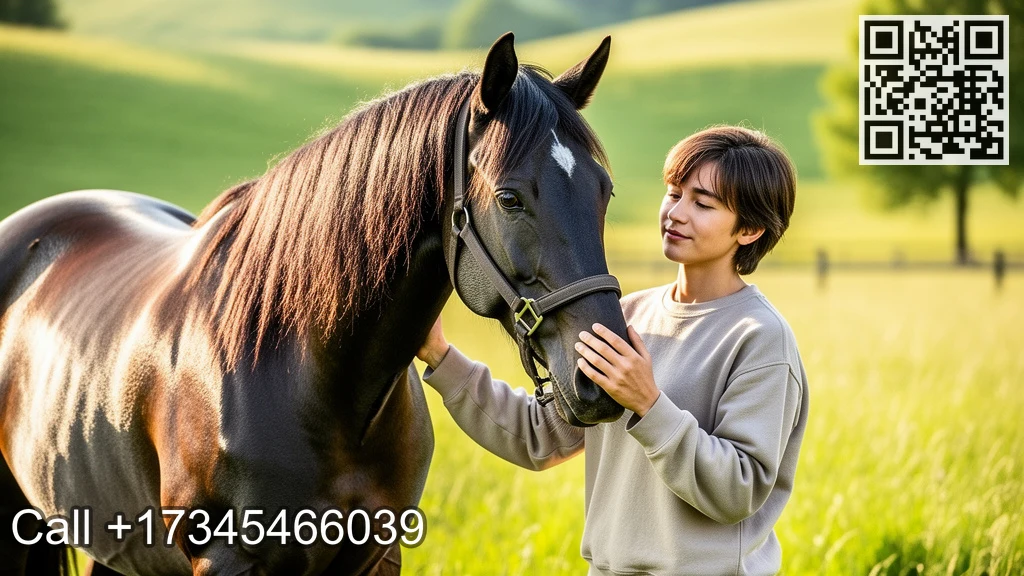
Equine-assisted coaching, sometimes called equine-facilitated coaching, focuses on management, communication, and personal growth without the medical framework. An owner embeded micromanagement can discover exactly how to request movement, then launch, and watch as a horse examinations and selects to comply with. Team resorts frequently entrust to a shared language. We had the rope as well tight. We never reset after confusion. It is much easier to repair a practice in the field than in the conference room because the steed provides you responses without ego.
Equine-facilitated health bridges all of these when the goal is durability, anxiety decrease, and a more controlled baseline. It suits instructors, nurses, and initial -responders. The format may be semi-structured groups with brief education on the nerve system, complied with by horse time and debrief. It is not therapy, yet it can really feel deeply therapeutic.
For students with ADHD, autism, and sensory differences
I have actually shed matter of the amount of family members show up expecting something steadier than suggestions and reward graphes. ADHD equine finding out support rest on motion and immediacy. Steeds request for micro-decisions and compensate them as soon as possible. Do you discover the adjustment in ear direction. Can you adjust your power to match. You do not await a gold star. You obtain an equine shifting better or walking with you, and that comments loop is limited enough to train interest. We keep tasks short, vary them, and integrate in meaningful jobs. Bring the horse to water, not as a metaphor, literally. Lug the container with each other. Count your actions so the slosh remains also. Exec feature work hides in those moments.
An autism equine finding out program appreciates sensory profiles. For some clients, brushing is soothing, the rhythmic stress of curry comb simply put circles. For others, the grit and hair are subduing, so we switch to a softer brush or bridegroom with a wet towel. Eye contact is optional. We teach horses to respond to clear signals that do not need gazing, like a firm, straight hand at the shoulder. Mounted job, if proper, includes sluggish, predictable patterns and strong assistance at the hips or ankle joints. The steed's gait promotes the cyclist's vestibular system. In some cases that is specifically what aids a body organize. Often it is way too much. We regulate. Earplugs and breaks are fine. Accuracy can not grow in a swamped system.
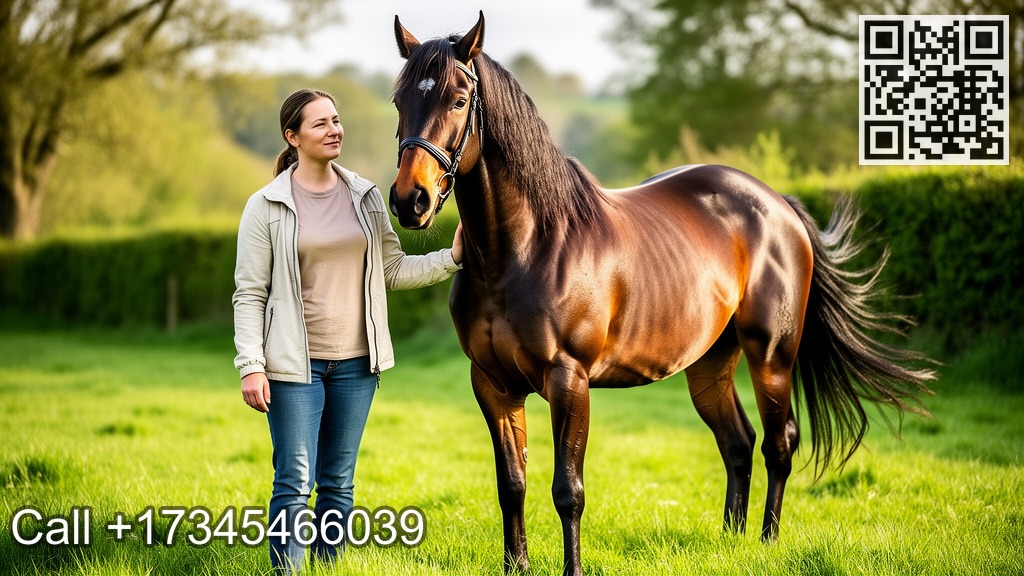
Alternative therapy for sensory obstacles functions finest when it is customized and straightforward. A child that seeks deep pressure may enjoy to lean into a steed's neck with supervision, feeling the warm and muscular tissue. A child who avoids touch may like to observe silently and build depend on before any kind of get in touch with whatsoever. Not every barn is a match for every nerves. The scent of natural leather and hay is grounding to some and overwhelming to others. We listen, then we choose.
There are additionally limitations. Horses are not appropriate for active psychosis or severe aggression. A young adult with without treatment injury that dissociates quickly might require stablizing in a quieter scientific setting prior to entering the changability of an arena. We do not toss large feelings at huge animals and call it endure. We build ability in layers.
What success appears like and the length of time it takes
People ask me how many sessions it takes to see modification. The truthful solution is that it relies on the goals and the honesty of the program. For a company group concentrated on group building with equines, a half day can improve just how they connect. The equine exposes their default patterns promptly. They leave with a common experience and two or three commitments they can practice back at the office.
For specific work with anxiety or interest, 4 to six sessions is a fair home window to examine fit. In that span, customers commonly report qualitative shifts. Sleeping quicker. Recuperating from a spike in three mins as opposed to twenty. Raising a hand in course without practicing every word. For motorcyclists building physical skills, eight to twelve weeks allows toughness and balance catch up with intention.
I pay more attention to long lasting markers. Does a kid move their halt-walk-halt clarity to asking a sibling to quit touching their things. Does a manager who found out to release pressure after a clear ask quit sending follow-up emails at 10 p.m. Do families report fewer early morning blowups due to the fact that they currently stop, take a breath with the pet dog, and leave 5 mins earlier. Discovering that lasts shows up on Tuesday at 7 a.m., not just Saturday in the arena.
Safety, welfare, and what to ask before you enroll
A solid program worths equines as partners, not props. That starts with the herd's wellness. Steeds require turnover, social get in touch with, proper tack, and pause. They additionally need the right to state no. If a horse pins ears or swishes a tail, personnel must see and respond, perhaps swapping animals or altering the job. Authorization is not only a human concept.
Look for facilitators who are trained in their lane. In therapy-focused settings, that implies a certified psychological health and wellness specialist working with an equine expert that comprehends equine habits and threat administration. In coaching or wellness programs, inquire about credentials in both training and equine handling. Educating phrases abound. What matters most is exactly how clearly the personnel can discuss their technique, exactly how they deal with triggers and repair services, and whether you really feel seen in the intake process.
Clothing is not unimportant. Closed-toe shoes with a company sole are obligatory. Helmets are conventional for installed work and must be provided for groundwork if a client is unsteady or brand-new. Procedure frequently run in the 45 to 75 minute range. Costs vary by area and solution kind. Team experiences can be as reduced as 50 to 100 dollars per person, while private treatment or training frequently runs 100 to 200 bucks per session. Scholarship funds exist at lots of barns, typically sustained by regional donors. Ask.
Here is a concise list I offer family members and teams when they explore programs.
- How are the horses picked for this work, and what does their downtime look like.
- Who remains in the sector with us, and what are their qualifications.
- How do you manage a customer or horse who says no, vocally or nonverbally.
- What are the objectives for the initial month, and just how will certainly we know if it is working.
- How do you prepare us for exercising skills between sessions.
If the solutions audio obscure or salesy, maintain looking. Deep learning does not require buzz. It does require clarity, boundaries, and a society of respect.
Coaching and teams, translated to the workplace without jargon
One mid-day, a start-up group of 6 came to deal with delegation. Their pattern recognized. Two dominant voices routed most jobs. Originality passed away if they were not perfect at birth. The exercise was easy. Move an equine with a collection of barriers without touching the animal. Just one person could talk at a time. The initial effort devolved right into a dispute regarding whether to start with the bridge or the poles. The horse yawned, after that wandered towards a volunteer with a softer presence.
On the 2nd attempt, they attempted quick huddles between moves and shorter, more clear directions. The horse complied with the arc of their focus. When the CTO neglected to pause after an ask, the equine stalled. When the junior developer advance with a certain work and then went back, the equine livened up and walked on. The group saw, in 10 minutes, the cost of unclear ownership and constant commentary. Back at the workplace, they created a method. Someone suggests, an additional fine-tunes, then they examine in a 2 day sprint with silence during the test. They obtained that silence from the field. They kept it due to the fact that it worked.
Equine-assisted mentoring strips out buzzwords. It turns core abilities into muscular tissue memory. Notification before you act. Ask with a clear body and voice. Launch when the other has done what you requested. Reset when it goes sideways. Those policies service hooves and on Slack.
The quieter job of healing and growth
Not every story has a tidy arc. Some look like this. A female grieving her papa concerns the barn incapable to tolerate serenity. She has actually been productive past step, cleaning up houses, looking after a sibling's youngsters, working doubles. In the field, she can barely stand still for three breaths. The equine keeps leaving. Not in a remarkable way, simply wandering away to nibble at a hay web. She giggles, then cries, after that states, That is what my body feels like, leaving. We practice standing in the very same location together for thirty seconds. We exercise touching the horse's shoulder, seeing the texture of hair under her palm. She discovers to remain with an experience just enough time to call it. Six weeks later, she takes her initial day of rest in months. Not since anybody told her to. Since her body keeps in mind that it can clear up without breaking.
Equine-facilitated wellness frequently looks like this, tiny changes that accumulate. The horse supplies a reflection you do not have to say with. The facilitator keeps the container clean and risk-free. The discovering steps slowly sufficient to be integrated, quick enough to be interesting.
Measuring what issues without minimizing it to numbers
Programs often chase metrics to satisfy funders, and measurement serves. Attendance, goal achievement scaling, decreases in self-reported anxiousness, renovations in exec feature tasks, these can all be tracked responsibly. I likewise take note of subtler signals. Does a customer turn up on schedule more consistently. Do they ask a more clear inquiry in the initial 10 mins. Do they recover faster when a steed refuses a demand, shifting from force to curiosity.
For youngsters, educators are a found diamond of information. I request tales. Less phone calls home regarding blurting. Smoother changes in between classes. Much more desire to try a non-preferred task. When a youngster starts to use a phrase like soften your hands with a sibling or take a breath before you ask with a parent, I understand the knowing has actually erased of the arena.
Trade-offs and side situations that should have attention
Some learners love equines and intend to ride every session. For them, we make mounted job subject to foundation. The compromise is real. Riding can speed up equilibrium and rhythm, however it can also mask partnership if utilized as an incentive. I look for a proportion that keeps the link main. Typically that implies riding the second half of the hour after we have actually checked in on breath and border work with the ground.
Other times, installed work is not proper in any way. A customer with pelvic instability, acute neck and back pain, or a background of sexual injury that makes resting astride activating might do much better with liberty work in a rounded pen or organized pet grooming. Progression does not need a saddle. You can practice timing and permission perfectly at an equine's shoulder.
Weather is a side case you can not charm away. Cold, wind, warmth, and mud change how steeds relocate and how human beings feel. Great programs have indoor options or modified prepare for sketchy days. In my barn, high wind indicates fewer obstacles and even more observation. Heat means much shorter sessions and color breaks. Recognizing weather condition is not coddling. It is realistic look, and it maintains every person safe.
Preparing on your own or your child to begin
The evening prior to a first session, I send out a short note. Wear layers, closed-toe shoes, and garments that can get dirty. Consume a snack beforehand. Bring a water bottle. Anticipate to feel extra, literally and mentally, than common. That is not a warning. It is permission.
If you are a moms and dad, inform your youngster 2 or 3 points, then stop. We are mosting likely to satisfy steeds. We will certainly discover how to remain risk-free. You reach choose. Do not oversell it. Allow the barn and the steed do the convincing. Kids notice when we are trying as well hard. Equines do too.
For groups, select one common objective you can name in a sentence. We discuss each other. We avoid tough feedback. We shed focus after conflict. Unclear hopes thin down the job. Details rubbing makes it honest.
Why this finding out lasts
Practice defeats theory when it involves the nerve system. You can check out limits or cooperation for several years and still freeze when it is time to act. In the sector, you feel it. You find out just how your breath reduces when you ask for motion. You learn what happens when you hold way too much stress and when you launch ahead of time. You find out that inquisitiveness functions far better than force with a thousand-pound animal, and then you see that it additionally works much better with your young adult or your team.
The heart part matters. Steeds invite tenderness without nostalgia. You curry dirt from a shoulder and see the skin jerk under your hand. You observe the pattern of hair development and a scar you had not seen. You care, not in an abstract way yet in a hands-on manner in which changes how you relocate. That care prolongs, often without fanfare, right into how you handle yourself elsewhere.
The hooves component matters. Motion secure understanding. You walk. You stop. You tip laterally. You do it once again. Your body enters into the memory. My clients bear in mind the sensation of an excellent ask, the weight shift of a stop, the release in their very own lower arms. Later on, when they are in a hard discussion, they can discover that experience and recreate it without a saddle or lead rope throughout sight.
And the hands. Work with steeds is not symbolic, it is sensible. You distort, connect, scrub, lift, and bring. The labor becomes part of the medication. It offers pride and concreteness to individuals who have been chatted at. It shows outcomes. A muddy unguis becomes tidy. A twisted lead comes to be nicely curled. A sector packed with obstacles becomes a path you and a horse browse together, step by step.
Finding your method in
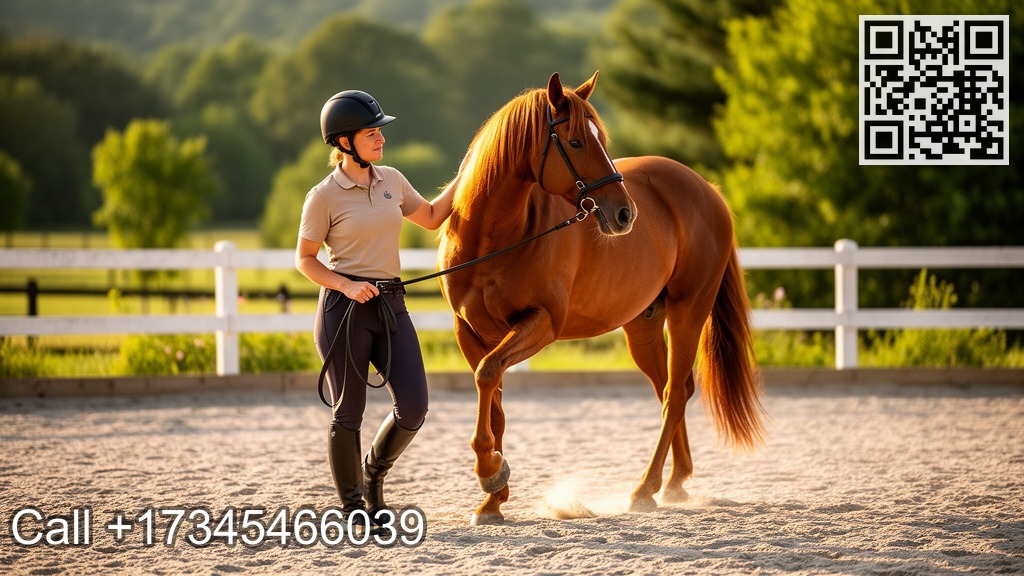
If this job phones call to you, start by going to. Stand at the fencing and let the herd soften your vision. Ask the team concerning their equines as individuals. If they can tell you what each one likes, that obtains nervous near eviction, that favors soft voices, you are in good hands. If the barn smells of hay and tidy sweat, if the tack remains in order, if individuals greet the equines by name and wait on ears to flick before coming close to, you have discovered a society that counts on slow attention.
From there, the course will be your own. Maybe it is equine-assisted activities for your child that needs a job that feels genuine. Perhaps it is equine-assisted coaching for you as a leader learning to let go. Perhaps it is remaining on a mounting block while a steed grazes nearby, exercising the radical act of taking a breath completely to your feet.
Hands, hooves, and heart. The sector maintains its own time. The lessons match Tuesday at 7 a.m., where they matter most.
Happy Hooves Wellness
9177 Gross Rd, Dexter, MI 48130
+17345466039
https://www.hhooves.com/