Seasons of Modification: Year-Round Equine-Assisted Solutions for Development
A horse's breath fogs in the very early chill. A trainee with distressed hands steadies the lead rope, hears the soft clink of a little bit on metal, and feels based by the weight of a thousand quiet extra pounds beside them. The job looks basic from the fence line. Inside the sector, absolutely nothing is simple, which is the gift. Steeds mirror intention, test limits in the kindest means, and clear up only when individuals settle. With the best framework, that dance ends up being development, season after season.
This is what year-round equine-assisted services can supply. Whether the objective is healing horsemanship for a child on the autism spectrum, equine-facilitated health for a burned-out specialist, or group structure with horses for a management team, uniformity across spring rain, summertime heat, fall wind, and crisp wintertime stillness keeps the discovering to life. The periods do not interrupt the job, they deepen it.
Why equines help, and exactly how the job differs
The umbrella term equine-assisted solutions covers a team of strategies that make use of equines to sustain knowing, wellness, and individual advancement. The differences matter.
Therapeutic horsemanship highlights ability building related to steed care and riding, often with flexible equipment and a dynamic plan. It sets naturally with ADHD equine discovering assistance, where the framework of pet grooming, adding, and riding ends up being a working laboratory for focus and impulse control.
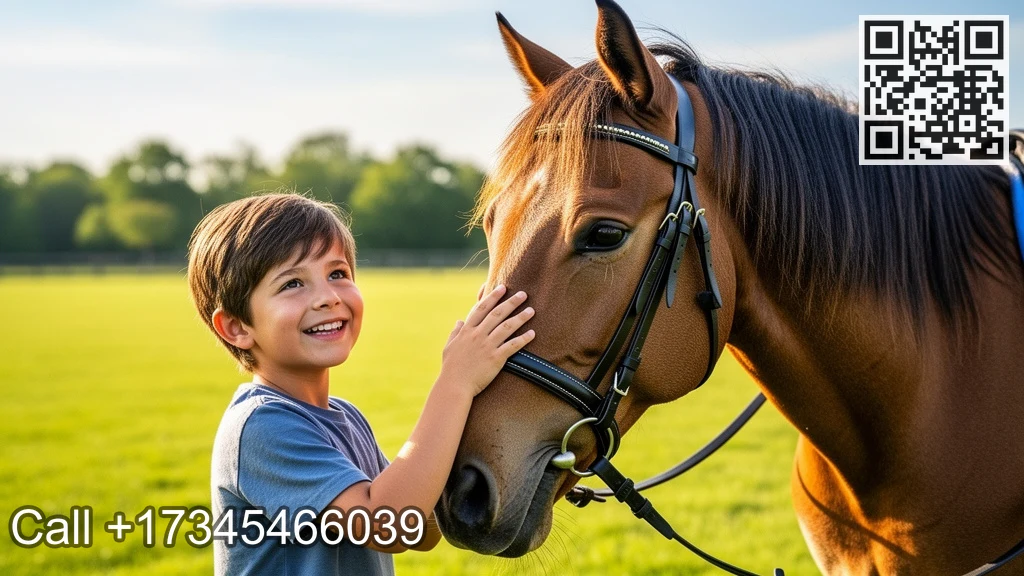
Equine-assisted activities consist of non-therapy discovering, leisure, or skill technique, such as foundation courses that create interaction and body awareness. Lots of barns integrate this classification for customers who do not require health care invoicing yet love experiential learning with horses.
Equine-assisted mentoring, in some cases called equine-facilitated training, uses coaching concepts to goal-oriented change for adults or teams. The horse ends up being a biofeedback partner, showing harmony and management design. This equates well to team building with equines, where a team negotiates jobs with an equine at liberty or on a lead, after that debriefs just how roles, stress, and clearness influenced the outcome.
Equine-facilitated wellness leans right into nerve system regulation and resilience. It is a strong fit for anxiety assistance with horses, somatic healing with steeds, and Alternate therapy for sensory challenges when provided by experts learnt trauma-informed practice. Some suppliers are likewise licensed medical professionals. Others companion with mental health and wellness specialists to maintain scope and boundaries clear.
Every approach shares a structure. Horses respond to what is present, not what we claim is present. They do not care about our titles or scripts. They respect whether our feet move with function, our breathing levels, and our requests make good sense. That is the consistent instructor through cold wave and heat waves.
The rhythm of the year, in the field and the pasture
Programs that run well all year lean right into each season's all-natural lessons.
Spring brings unpredictable skies and dynamic equines shedding winter season layers. Energy runs high. On gusty days the barn aisle comes to be the class, and brushing changes right into a sensory-rich series. For an autism equine discovering program, this is a practical time to present predictable regimens around noise and activity. Short, frequent groundwork periods aid pupils attune to their bodies, then rest. Foals or yearlings, if existing and appropriately taken care of, remind every person that boundaries issue and timing matters more.
Summer usually suggests longer daytime and, depending on location, warm and pests. Morning sessions help motorcyclists and horses stay clear of peak temperature levels. Placed job may boost if footing is dry and safe, yet clever programs stay clear of battering miles for thoughtful patterns that develop equilibrium and proprioception. Sensory considerations involve the leading edge. Air conditioning breaks, water misters, and fly administration keep points humane. Trainees with sensory level of sensitivities find out to browse layers of equipment and stimulations, with personnel all set to adjust strategies if an equine's tail swish or a humming bug comes to be also much.
Autumn changes the light and the wind. Leaves rattle, shadows stretch, and even skilled equines can really feel sharp. This period excels at equine-assisted training and group structure with equines. Outside obstacles with natural materials, from log stacks to tarp rivers, produce compelling metaphors for change and unpredictability. The work likewise fits teens working with exec feature. Preparation a course with a course, negotiating that provides the sign and when, then assessing what worked builds skills better than lectures.
Winter slows down whatever down in a good way. If an indoor sector is available, the quieter soundscape and foreseeable surface area urge much deeper somatic healing with equines. Groundwork comes to be a reflection. Basic breath-synchronized leading shows nerve system policy. In areas without an interior area, brief barnyard sessions in the noontime sun, complied with by warmed tack room debriefs, can be similarly effective. The chilly puts a useful border around time on job, and the gentleness of a wool colder over an equine's back can be a managing sensory anchor for somebody learning body-based soothing strategies.
Real people, actual changes
A teen, 14, arrived with a school record that read like a weather prediction of storms: falling short qualities, missed research, lunchtime detentions. ADHD made his executive function fragile, and embarassment had constructed a thick skin. In springtime we focused on consistency. He composed a two-step plan on a white boards each session. Catch steed. Bridegroom. A 3rd action waited up until the very first two became automatic. By summertime he was riding walk-trot patterns that needed him to call out pens prior to he reached them. In autumn he coached a younger rider via the same pattern from the center, finding that he could damage tasks right into practical portions for somebody else. Wintertime brought a peaceful development. During an icy week we never left the crossties. He discovered to choose unguis securely, a fine-motor task that previously stimulated aggravation. The next institution report showed improved job initiation. No miracle, simply stable transfer of a sector practice to a desk habit.
A professional in his thirties, having problem with anxiousness that seemed like electricity, came for equine-facilitated health. Mounted job would have bewildered his system. We built a straightforward method around leading a calm gelding on a loose line. He determined his breath with the horse's tramps. If the gelding lifted his head, he stopped himself prior to the equine did. The rule was compassion to both nerves. After 8 weeks he reported less nighttime spikes. He did not debt the equine with healing anything. He attributed the horse with educating him to discover the first roar of a surge and do something effective in the first 30 seconds.
A school district brought a leadership team for a fall retreat. The task looked benign. Relocate a mare from one pen to one more without touching her. The group divided rapidly right into talkers and moving companies. The mare ambled to the quietest individual, a paraprofessional that stepped laterally smoothly and maintained her eyes soft. Throughout the debrief, the superintendent acknowledged her own practice of over-directing. By winter the area had actually adjusted meeting norms to include a minute of silence before dispute. They sent out a note in springtime that meetings took much less time and felt less adversarial. Steeds do not hand out certificates, but they typically seed an organizational shift.
Designing for various brains and bodies
People commonly ask what makes an autism equine discovering program work. Uniformity and choice do the majority of the heavy training. Aesthetic schedules on clipboards, placed where hands can reach them. Clear starts and endings to jobs, such as ten brush strokes per side or strolling from cone A to cone B, pause, after that back to A. Predictable shifts anchor the session. Selection enables ownership. Red pad or blue, leading on the left or right, stopping at the initial or second cone. Reducing novelty does not mean decreasing difficulty. It suggests titrating modification so the nervous system can stay engaged.
For ADHD equine finding out support, variability within framework helps. Timed intervals maintain energy, while natural effects provide feedback. If interest wanders and the horse drifts, the biker feels it promptly. That immediacy, coupled with a nonjudgmental debrief, transforms oops minutes into information. Team trained in scaffolding will know when to utilize spoken triggers, when to model the activity, and when to step back. An usual rule at my barn is try it your way once, after that attempt a recommended way as soon as. Autonomy and training sit side by side.
Alternative therapy for sensory difficulties is not a euphemism for anything-goes. It is a careful develop of sensory input with departures. The texture of curry combs, the noise of hoof picks on concrete, the guide of a walking horse, all can relieve or bewilder. A good program provides numerous courses to success. If the noise of a girth fastening is as well sharp, we can desensitize gradually, or we can invest the session free in a rounded pen, letting the equine mirror walking patterns from a range. The goal stays the same, capability building, also if the course shifts.
Anxiety support with equines pairs well with somatic approaches. Personnel must know just how to hint breath pacing, orienting to the area, and grounding via contact with a responsive surface area. Hairline changes issue. Resting a level hand versus a horse's shoulder, rather than squeezing fingers right into a hair, can change the message the steed gets and the internal message the individual sends. We educate micro-skills and we show individuals to discover micro-wins.
Horses first, always
The ideal end results rely on healthy and balanced, prepared horses. Year-round work needs interest to herd characteristics, health and fitness, and remainder. Revolving steeds between programs keeps minds fresh. An elderly mare that shines in winter season foundation might need a lighter summertime schedule. A young gelding who likes team barriers might be an inadequate suitable for sessions with abrupt piercing noises. Matching horse personality to the work stops a thousand small stressors that amount to burnout.
Footing issues. Outdoor arenas need drain that deals with springtime rain without producing suction pits. Summer season dust control safeguards lungs. Autumn leaves can conceal holes. Winter season freeze-thaw cycles develop glossy patches that ask for conventional decisions. An indoor sector, if readily available, ought to be assessed for acoustics, lighting, and secure viewer locations. Little changes help, like hanging sound-dampening material or repainting a high-contrast line along the kickboards to sustain visual handling for motorcyclists who benefit from more powerful boundaries.
Tack and devices selections ought to serve the rider and the equine. Flexible reins, looped or laddered, support grip without requiring wrist stress. Installing ramps minimize danger and preserve self-respect. For sensory-sensitive motorcyclists, softer saddle pads and peaceful buckles lower aversive stimuli. Everything is trial and change. Absolutely nothing is one-size-fits-all.
Safety and threat management that appreciate the work
Weather, footing, and herd mood modification daily. Programs that hold strong borders likewise hold individual trust fund. A brief, basic seasonal list uploaded by the barn door maintains the group aligned.
- Confirm footing security and change session plans.
- Check wind cool or warm index and set time limits.
- Review horse jobs based on current energy.
- Prep sensory supports and hydration stations.
- Establish a clear stop signal and emptying route.
Clear communication constructs calmness. Prior to a session, personnel lay out the strategy and the pivot. If the wind spikes, we will certainly transfer to the round pen. If the horse flags, we will certainly change to grooming. If you want to quit, say hand break and we will stop everything. That structure offers individuals consent to notice their own signals as opposed to muscling through.
A session arc that functions throughout seasons
I have actually used many session frameworks. The one below adapts well from hot July early mornings to icy January afternoons.
- Arrive and orient: welcome the space and the herd, name one goal.
- Regulate together: short breath or movement sequence with the horse.
- Task focus: one or two details skills that match the goal.
- Integration: step back, observe the impact, attempt a 2nd representative or variation.
- Closure: recognize effort, name one transfer to life outside the arena.
This arc maintains the nerves on a convenient roller. It includes a start that feels risk-free, a middle that asks for challenge, and an ending that cements agency.
The training and corporate side
Equine-assisted coaching, whether branded or blended, often comes to a head in springtime and fall when weather condition welcomes longer outside reflection. I favor ground-based tasks. A typical exercise asks an individual to lead a steed with a V-shaped chute developed by poles. The space narrows towards the end, just as jobs do. Individuals find out to readjust power and quality as restrictions tighten up. Steeds area incongruence faster than any type of associate can. If a leader says they are relaxed while sending a wall of stress, the horse plants feet and flicks an ear. That moment, managed with regard, ends up being a mirror. Debriefs concentrate on choices, not personality. When a team returns in winter, we often recreate tasks in an indoor lane with fewer aesthetic hints. The minimized stimulations draw out the high quality of breath and timing, abilities that generalize to long spending plan meetings or hard moms and dad conferences.
Measurement without losing the magic
Skeptical stakeholders should have data. We can evaluate results without flattening the experience. For healing horsemanship, track task evaluation gradually. How many motivates to pick front feet, after that hind. The length of time a motorcyclist keeps an organized publishing trot prior to losing rhythm. For anxiousness support with steeds, use brief self-report ranges prior to and after sessions to catch shifts in stimulation. For ADHD equine finding out assistance, work together with colleges to keep an eye on homework initiation or on-task time in class.
Counts need to be coupled with tales. A graph that shows a biker went from 30 seconds to 3 mins of continual emphasis lands harder when paired with a note from a moms and dad that supper is calmer since their kid now uses a barn breathing video game at the table.
Staff, training, and scope
The people matter as much as the steeds. Strong programs purchase team training that fits their scope. Organizations like Course Intl. Offer standards and qualifications for instructors in therapeutic horsemanship. Designs such as Eagala emphasize ground-based, psychological health professional co-facilitated work. Numerous barns build hybrid teams, coupling skilled horse professionals with educators, OTs, or counselors. Clear role definitions protect against drift. A coach is not a specialist. A therapist is not a riding teacher. Every person can be trauma-informed, suggesting we prioritize selection, consent, and regulation.
Ongoing guidance and case review maintain the work moral. Debriefs include steed welfare. If a gelding pins his ears in 3 sessions, we transform something. If a pupil dissociates whenever they place, we decrease and change the strategy as opposed to pressing to inspect a box.
Facilities that bend with the calendar
A small facility can still run year-round with preparation. Shade structures and fans assist in summer. Simple windbreaks and safe heaters help in winter season. Lighting that lessens flicker lowers sensory stress at sunset. Storage space for seasonal gear issues more than people anticipate. Maintaining quarter sheets, coolers, fly masks, and rain sheets arranged and available turns transitions right into skill-building minutes rather than scrambles.
Barn society also influences safety and security and results. Peaceful uploaded rules about voice volume in the aisle, lead rope handling, and gateways cause fewer close phone calls. Site visitors who feel welcomed and oriented come to be partners in keeping a calm environment. The tone starts with staff. Equines take in whatever people leak. I when transformed an uploaded begin time by 10 mins so personnel can end up preparation prior to the very first automobile arrived. Our herd cleared up within a week, just because we quit rushing.
Access and equity
Equine work is source intensive, which can leave out family members and areas that would benefit. Imaginative solutions aid. Companion with schools to install sessions right into IEP supports. Offer team styles at lower expense where suitable. Seek gives for scholarships, especially for underrepresented populaces in backwoods where horses belong to social life however services are scarce. Mobile foundation programs that bring 2 stable horses to an institution or recreation center can reach young people that can not get to a barn. Safety and security should drive these selections, yet with thoughtful option of equines and controlled settings, outreach can be both secure and transformative.
The climate inside us
If there is one reality throughout the schedule, it is that people bring their own seasons. A person in a July heatwave of pain may need the very same silent, slow work we usually book for January. A biker in a January sprint of pleasure could be ready to canter through posts in the snow, if ground and horse confidence permit. The job is to check out both weather forecast, the sky's and the heart's, after that choose wisely.
I keep a small notebook by the tack space door. Each web page is a session, a name, an equine, a word or two. Spring: Eli, Finch, softening. Summertime: Maya, Taz, boundaries. Autumn: Malik, Sissy, persistence. Wintertime: Priya, https://dallasdlqe565.fotosdefrases.com/focus-in-action-adhd-assistance-via-equine-learning Dollar, breath. Those words are my compass when the wind changes.
Year-round equine-assisted solutions are not around pressing programming right into calendars. They are about recognizing the long arc of adjustment and using each season's personality to teach what the moment welcomes. Steeds do not maintain rating throughout months. They stand or move, look toward or away, and offer get in touch with when we offer quality. When we turn up frequently, clothed for the weather condition, prepared to learn and all set to stop when enough is enough, development adheres to. The hoofprints in springtime mud, summer season dirt, autumn leaves, and wintertime frost inform the story.
Happy Hooves Wellness
9177 Gross Rd, Dexter, MI 48130
+17345466039
https://www.hhooves.com/