Week by Week Healing: Consistent Equine-Assisted Services Year-Round
Regular, foreseeable time with equines changes people. Not overnight, not in one enchanting session, however in the quiet rhythm of appearing week after week. The barn smells the exact same, the crushed rock grinds the very same, and a gelding who watched you from the much fence last Tuesday satisfies you at eviction this Tuesday. That sort of consistency is where therapeutic horsemanship and other equine-assisted services radiate. The work is experiential and somatic, based in the present moment, but the real payback appears in patterns. Worried hands soften. Breathing slows down. Focus broadens. Limits become more clear, kinder, and firmer.
I have viewed teenagers with ADHD organize their method to tacking without a punctual after 8 weeks of technique. I have actually strolled close to adults that start a session with chest-tight anxiousness and surface tall, shoulders opened, breath even. I have stood with moms and dads who weep quietly when their autistic child initiates a grooming series, awaits a steed to move weight, and afterwards light beams when the hoof lands carefully in their palm. None of it is a technique. It is the end result of well-structured equine-assisted activities, held in a constant container, across seasons.
Why steady once a week work changes outcomes
Horses respond truthfully to what remains in front of them, not to what we implied to do. That feedback loophole teaches self-awareness quicker than lectures. The nerve system likewise likes repeating. Somatic healing with equines improves this fact, using straightforward, repeatable experiences to enhance regulation. When a participant techniques halting at a cone, stopping briefly to scan for the equine's ear flick or eye blink, after that exhaling before asking for a progression, the body finds out that sequence. Exec feature, impulse control, and sensory inflection all gain from practice session in a living environment that also feels meaningful.
One-off experiences bring insight and are great for intros or business spirits. For habits modification, the nerve system requires progressive direct exposure, time in the saddle or on the lead, and possibilities to stop working safely and try again. Weekly sessions, particularly in 8 to 12 week arcs, give room for micro-adjustments. You can scale tasks up or down, repair service ruptures, and commemorate small wins that would certainly be unnoticeable in a solitary intensive.
What a session really looks like
Visitors often expect nonstop riding. Actually, equine-assisted services consist of a range: groundwork, grooming, barrier job, installed work, and reflective combination. The balance relies on goals, weather, and the individual's nerves on that particular day.
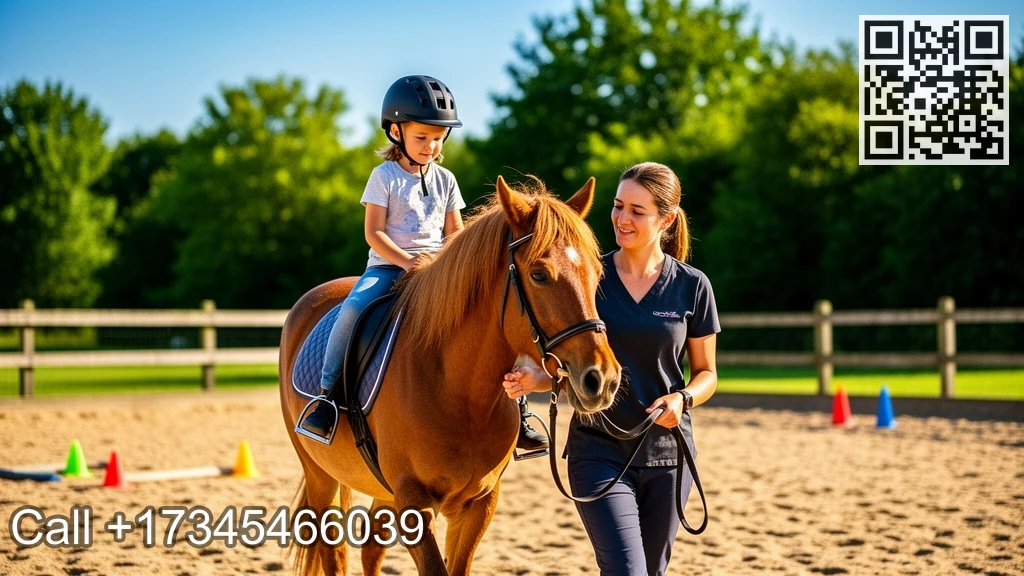
An usual 60 minute therapeutic horsemanship session for a young people with focus challenges might move such as this. The initial 5 mins at the rail sign in on sleep, college, and energy, then co-create a 2 line strategy. Fifteen minutes of brushing follows, with a concentrate on sequencing, reciprocal motion, and relational understanding: curry in circles, inspect the eye, button sides, notice when the steed shifts. 10 minutes of leading educates timing. We might practice stop-start, backing 3 steps, or weaving cones with clean turns. If installed work fits the objectives and consent is clear from both cyclist and horse, we spend twenty mins at stroll with transitions, posting method, or trail patterns. The last ten mins assess what altered, then return the steed to the paddock with a cool-down walk and a last give thanks to you.
Equine-assisted training for grownups or teams frequently makes use of groundwork just. You may set a border workout, such as sending out a steed through a chute without stepping inside the rails yourself. Or design a team structure with steeds challenge where sets lead 2 equines with different obstacles while maintaining an agreed range and speed. The debrief connects barn choices to office habits.
The steed as co-facilitator, not a tool
Good programs deal with equines as partners with agency. That is not nostalgic. It is sensible and moral. Equines are prey pets with broad sensory data transfer. They grab micro-tension, breath patterns, and intent. If we listen, they become precise mirrors, not judges. A mare that walks away each time a participant tenses is not being tough. She is offering the kindest feasible comments regarding congruence.
We build sessions that respect this. Equines can decrease a request or offer authorization signals that we recognize. We rotate workloads, fit tack thoroughly, and handle herd characteristics so the horse at the workplace is psychologically available. Weekly timetables spread job throughout the herd and keep people fresh. On warm weeks, we shorten strengths or pivot to shaded groundwork. In winter months, we choose shorter placed sets with longer warm-ups to safeguard joints.
A year-round schedule that maintains momentum
Consistency throughout periods is where several households stumble. College starts, daytime reduces, mud gets here, and the routine liquifies. With a practical year-round design, you can sustain equine-assisted solutions without burnout.
Spring welcomes new goals. Steeds dropped, energy surges, and outside space opens. We review winter season accomplishments and include one or two fresh difficulties, like a sensory lane with wind chimes and tarps for an Alternate treatment for sensory difficulties track. Springtime also brings allergic reaction factors to consider and glossy ground on thaw days, so we plan much shorter trots, more walk posts, and extra time for pasture returns.
Summer extends sessions. Early mornings or evenings prevent warm. For ADHD equine discovering assistance, this is a strong period to expand jobs: multi-step barn jobs, mounted path loopholes, and timed but pressure-light video games that reward sequencing over speed. Hydration and color matter. Equines need salt, day of rest, and fly security. Above heat index days, we relocate to fan-cooled grooming bays and breath collaborate with hay nets visible to maintain motivation high while staying safe.
Autumn concentrates. Regimens return with school, and we utilize the structure. Sector job hones, patterns end up being much more accurate, and sensory tons is modest with less bugs and milder temperature levels. Autumn is also my favored period for equine-facilitated health sessions that mix mindfulness, long-line leading, and pasture monitoring of herd behavior. Individuals discover to find refined interactions, like a tail swish that means move, or a triangle of room provided to a lower-ranking gelding.
Winter teaches persistence and body treatment. Placed work may shrink to windows of reasonable footing, yet groundwork can thrive. We do more indoor or sheltered sessions, freedom work in tiny pens, and slow, thoughtful workouts that construct posture and equilibrium. Brushing comes to be meditative heat, with interest to skin, ears, and hooves. Somatic recovery with horses in wintertime leans right into breath, rhythm, and co-regulation. Nobody remains in a thrill, and straightforward rest counts as progress.
Case sketches from the rail
A center schooler with https://andyixto474.iamarrows.com/synergy-on-the-trail-team-building-with-horses-that-changes a combined discussion of ADHD arrived tight-jawed and late most weeks, chatting fast, shoes unknoted, backpack askew. The initial month, sessions focused on foreseeable bookends: hang knapsack on the same hook, say hello by name to the very same 2 horses, check the white boards for the plan. Grooming devices resided in a caddy in a repaired order, and he returned each product before carrying on. By week six, he initiated the series without cueing. By week eight, he asked to publish at the trot, an extra intricate electric motor task. His classroom educator reported a modest yet actual decrease in missing projects, from seven in September to three in October. At the barn, he relocated from verbal impulsivity to waiting a complete breath after a steed's ear flick prior to offering his next cue.
A 9 years of age in an autism equine discovering program invested the first a number of sessions simply seeing the herd. We kept stress low. He suched as duplicating the very same path to the exact same mare, standing with one hand on the fencing article. On week four, we added a sensory path with crunchy leaves and a low bridge. He pushed his hands on the bridge plank, breathed out, then led the mare over in two careful steps. The adjustment was a shiver with both bodies. From then on, he practiced stops with the bridge as his reset factor. Two months later, his physical therapist noted boosted tolerance for changes in school, especially when a foreseeable sensory support was offered.
A 32 year old with high standard stress and anxiety wanted equine-assisted coaching to stop freezing throughout discussions. We focused on foundation. She exercised asking a steady gelding to back 3 steps, then stop, after that produce hindquarters one step. The series was purposely brief. When her breath hitch returned, the gelding elevated his head a hair. She learned to smile a little at that hint, breathe out, reduced her hands, and ask once again. By session 10, she can hold leisure with a much longer pattern. She reported her heart rate in conferences dropped from the 120s to the 80s, confirmed by her smartwatch.
A teenager with sensory handling difficulties dreaded loud arenas. We constructed resistance in slim pieces. Beyond lessons, we did five minute walks near the arena door, then inside with ear defense, then 2 cones in view, after that a lead walk while one biker run in a corner. The program felt dull on paper. In method, she obtained skill in seeing overwhelm prior to it increased. That is the significance of anxiousness assistance with horses: not brute-forcing direct exposure, yet checking out straightforward signals and readjusting with dignity.
Skills that take a trip home
Equine-assisted tasks resemble equine tasks. Below that surface area, they grow abilities that stick away from the barn. Leading a steed off the shoulder at a stroll trains rate control and spatial boundaries, valuable in congested corridors. Cleansing unguis demands bilateral coordination, precise positioning, and perseverance. Placing needs a list in a clear order, which maps directly onto loading a backpack or planning for a meeting. Experiential knowing with equines builds meta-skills, not trivia.
Somatic tools come to be muscle mass memory. Participants discover to check field of vision, drop their shoulders, and infuse the belly since an equine's lick and chew tells them they hit the right note. Over months, those cues swap to interior ones. That is the handoff we desire: from exterior psychophysiological feedback to durable self-regulation.
Coaching for leaders and teams
Equine-facilitated training is often dismissed as a trust loss with hay. The major programs do not go after theatrics. They set up tasks that subject default patterns, then sustain clean experiments. In a team structure with equines context, one group might uncover that 3 characters provide signs simultaneously, perplexing the steed and each other. The steed stalls, ears flicking between voices. With support, they agree on a lead and a time-bound plan. The equine adheres to within seconds. The debrief is sober and concrete: share airtime, specify roles, keep the ask simple.
The genuine advantage of persisting work is carryover. Quarterly or monthly follow-ups defeat one-off offsites. Leaders bring real-time tasks, run a barn task with the very same communication patterns, and entrust to 1 or 2 particular changes to examine Monday early morning. Over a year, communication expands in quantifiable means, like reduced meeting times or faster choices at stuck points.
Safety, range, and great judgment
Not every barn is a facility. That is fine. It does imply we require quality. Therapeutic horsemanship concentrates on horsemanship abilities instructed with adaptations that sustain growth and well-being. It is not mental health and wellness therapy. Equine-assisted solutions is a more comprehensive umbrella that can include equine-assisted psychiatric therapy when a qualified clinician companions with an equine professional. Programs must be transparent regarding credentials, guidance, and limitations. Families deserve to know when a recommendation to a mental wellness therapist is appropriate.
We have hard lines on safety and security. Safety helmets for installed work and commonly for foundation with young people. Clear stop words. Authorization from horse and human. Weather calls that err on care. A great field guideline is to evaluate threat each 10 mins and act early. The cost of rescheduling is lower than the expense of pressing with a warning, whether that is an equine's limited jaw or a participant's dissociation.
A simple method to keep weekly sessions sustainable
The hardest part of consistency is logistics, not inspiration. Borrow from sporting activities. Place barn time on the family schedule and protect it like a game.
- Choose a time you can defend 80 percent of the year, not a best port for a solitary season.
- Prepare a barn bag that obeys the door with boots, rainfall coat, handwear covers, and a snack.
- Build a short pre-lesson routine: shower room, water, 3 deep breaths in the cars and truck, then go.
- Pair the drive with a fulfilling routine, like a favored playlist or audiobook chapter.
- If you have to avoid a week, timetable a same-week touchpoint, even a 15 min groundwork check-in, to keep the groove.
Measuring progress without missing out on the point
Data assists. Perfection kills happiness. We track a handful of signs and review regular monthly. For a youth in ADHD equine learning assistance, we may count the number of brushing tools return to the caddy without triggers, or the amount of secs pass in between a sign and an equine's response. For stress and anxiety assistance with equines, we might log pre and post session breath price, or ask for a 1 to 10 ranking of distress at three points during the session. Teachers and caregivers can share identical notes: fewer missing assignments, much less early morning conflict, calmer going to beds. If a number issues, it is because it associates with a lived outcome.
At the barn, we additionally accumulate qualitative notes. Did the participant notice and articulate an equine's signal properly? Did they fix an error without spiraling right into pity? Those flags typically anticipate durable adjustment far better than a stopwatch alone.
Caring for the horses via the seasons
Consistent services only work if the steeds thrive. That calls for preparation. We construct a herd with various sizes, ages, and strides so we can match steeds to goals and turn workloads. A patient gelding is not a default novice horse, and a delicate mare is not off-limits to brand-new individuals. We think in weeks and months, not simply day-to-day timetables. A steed that functions 3 sessions Tuesday might get Wednesday off or a route stroll just, after that a light Friday. In summer season, we track heat anxiety indicators and change by degree, not by blowing. In wintertime, we permit added warm-up time and skip accumulated deal with frozen ground.
Conditioning matters. Steeds remain sound with varied surface areas, hill job, ground poles, and days that are simply simple. Mental health issues as well. Turnover with a suitable herd is non-negotiable. We let horses claim no and we pay attention. An equine who pins ears at the mounting block gets a veterinarian check, a saddle fit check, and a workload evaluation prior to returning to work.
Common obstacles and convenient fixes
Weather is the noticeable villain. A covered sector helps, but not all programs have one. Imagination bridges the gap. On mud days, groundwork in a barn aisle can be richer than a careless loophole in the sector. Use cones for small problems, educate a two step back and a bend, or set up a mini sensory path with a tarpaulin and a wind sock.
Transportation fails. Companion family members or ride shares with history checks can reduce terminations. Offer occasional digital check-ins when traveling breaks. The individual can practice breathing, visualization, and a gear talk-through with a curry comb in your home, then return next week with less rust.
Motivation dips around weeks five to seven in lots of programs. Prepare for it. This is where small, visible wins maintain energy. Present a brand-new but attainable pattern, film a short phone video clip to examine progression, or welcome a caretaker to see the last 5 minutes and share an authentic observation.
The first 4 weeks, up close
If you are new to equine-assisted activities, the very early arc collections tone and depend on. Right here is a sensible glide path.
- Week 1: Fulfill the herd, scenic tour the area, practice barn regulations by doing, not lecturing. Touch brushing devices, lead in short lines, find out the stop sign. No rush to install, also if riding is a future goal.
- Week 2: Include a basic sequence with option. 2 brushing devices, after that one leading task, after that a breath check at the mounting block. If riding, mount for five minutes of stroll with huge loops, dismount early to end with success.
- Week 3: Layer complexity delicately. Introduce a new barrier or a new area of the residential property. Practice discovering steed signals out loud. Keep debrief brief and particular, with one takeaway linked to life outside the arena.
- Week 4: Combine. Repeat the series a lot more cleanly, add one tiny challenge like a halt-to-back transition, and commemorate a minute of co-regulation, whether that is a yawn, lick and eat, or a human sigh and shoulder drop.
By completion of the very first month, many participants have a map in their body. They know where to hang their bag, where to find the curry comb, and how to ask a steed to stop with clarity. They may not call it, but their nervous system has actually begun to rely on the space.
Where equine-assisted solutions fit with various other supports
Horses are not a treatment. They are a powerful context for practicing abilities that many individuals battle to find out in abstract setups. Pair equine-assisted training with talk therapy when deep processing is required. Combine an autism equine discovering program with school-based assistances so that brand-new abilities have locations to land. For sensory obstacles, coordinate with an occupational therapist to identify complementary goals, like hefty work on barn jobs and exact hand placements during grooming to sustain proprioception.
The finest results show up when everybody relocates the exact same instructions. Share simple, concrete notes throughout carriers. If the barn uncovered that 3 breaths before an ask boosts end results, put that language right into a classroom or office setting. If a specialist observes a pattern of freeze in social danger, bring a task to the barn that stimulates a mild version of that threat, so it can be practiced with support and prompt feedback.
The long view
Year-round job invites a slower, kinder rate. Winter months steadies, springtime experiments, summer season expands, autumn improves. The steed remains a mirror and a partner, asking you to show up as you are, after that try something a hair more skillful. Over 40 to 50 sessions in a year, modification solidifies. Family members see fewer arguments on barn days. Educators see a boost in turned-in work. Groups run a conference in 40 minutes that utilized to sprawl to 90. The horses stay well, the field remains a place of reality without drama, and the calendar holds.
If you are thinking about beginning, you do not require brave resolve. You need a Tuesday that mostly functions, a program that honors both equine and human, and a willingness to practice small things up until they matter. Week by week, they will.
Happy Hooves Wellness
9177 Gross Rd, Dexter, MI 48130
+17345466039
https://www.hhooves.com/